Rekeying vs. Replacing Locks Between Tenants: What Landlords Need to Know
When a tenant moves out, one of the first questions a landlord faces is what to do with the locks. The choice usually comes down to rekeying the existing lock or replacing it entirely. Each approach has its own strengths, and the right option depends on the condition of the hardware, the level of security needed, and the type of property. Understanding the trade-offs helps property managers and landlords make sound decisions that protect both their investment and their tenants.
What Rekeying Means
Rekeying involves changing the internal pins and springs of a lock cylinder so that the old key no longer works. A new key is cut to match the new pin configuration, and the lock itself stays in place. This is a common practice during tenant turnover because it is faster and less invasive than swapping out the entire lock. A locksmith can often rekey multiple locks on the same property to operate with a single key, which simplifies access for maintenance staff, cleaners, or property managers. For a landlord who owns several units in one building, a master key system can be set up during rekeying, giving the property manager access to common areas and unit entrances while each tenant keeps a unique key for their own door.
Rekeying works best when the existing hardware is in good shape. If the lock turns smoothly, the strike plate is secure, and the door fits properly, there is little reason to replace the whole assembly. The process is also less expensive than a full replacement, which matters when a property has many units turning over at once. A local locksmith can typically rekey a standard deadbolt or knob lock in minutes, and the cost is largely driven by the number of cylinders being rekeyed and the type of key system desired.
When Replacement Makes Sense
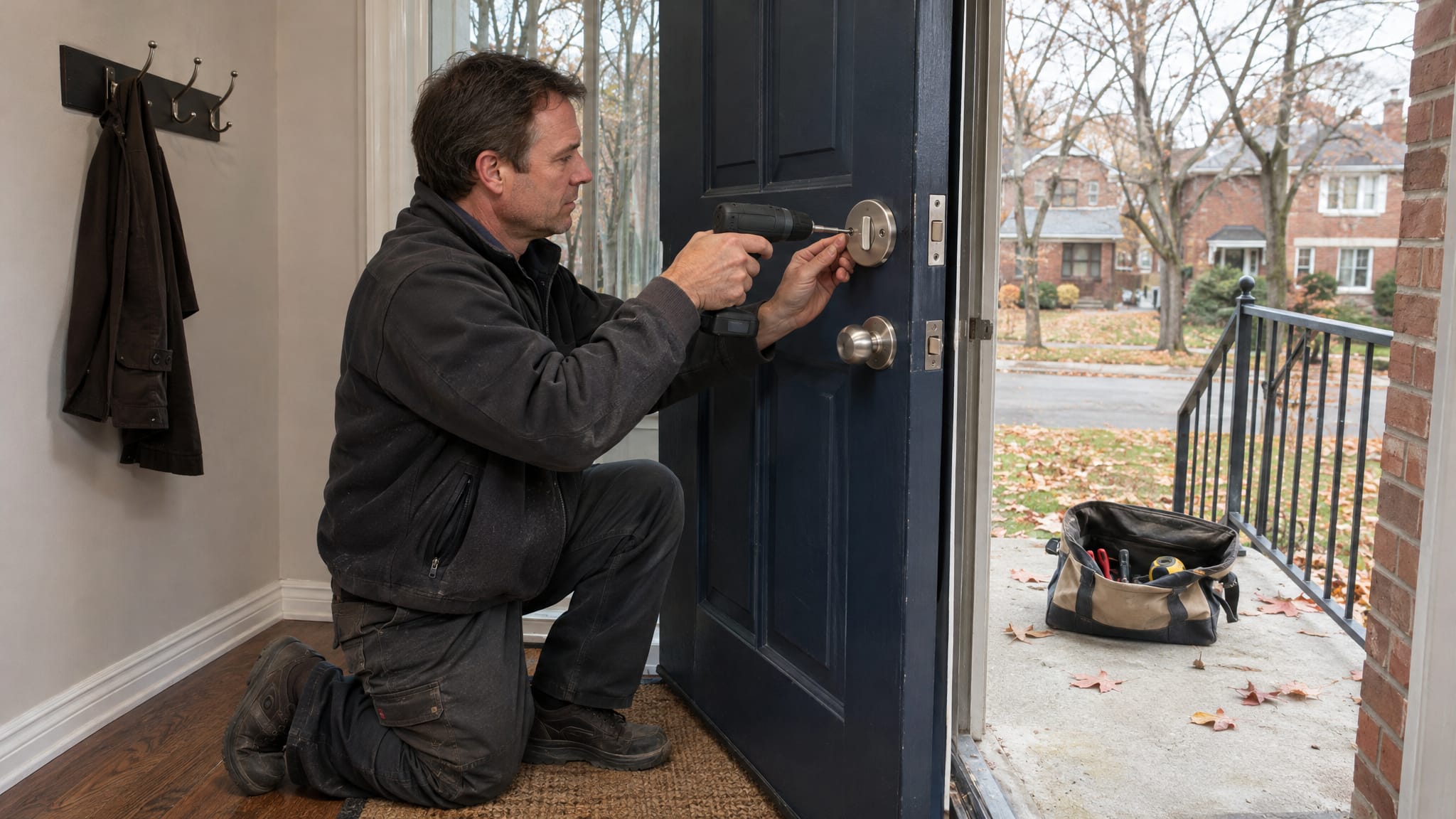
Replacing a lock means removing the old hardware and installing a new one. This is warranted when the existing lock is worn, damaged, or outdated. A lock that is difficult to turn, has a loose handle, or shows signs of corrosion is a candidate for replacement. Older locks may also lack the security features found on modern models, such as anti-drill plates, hardened steel bolts, or bump-resistant cylinders. For a landlord who wants to improve the overall security of a building, upgrading the locks during a tenant change is a logical step.
Another reason to replace is when the key system has been compromised. If a former tenant lost a key, copied it without permission, or failed to return all copies, the security of the entire building may be at risk. Replacing the lock ensures that no old key will ever open that door again. The same logic applies when a key register is not maintained. Without a clear record of who has keys, a property manager cannot be sure that all copies are accounted for. In such cases, replacement provides a clean break.
Comparing the Two Approaches
The table below summarises the main differences between rekeying and replacing locks. Use it as a quick reference when deciding which route to take for a particular unit or property.
- Cost: Rekeying is generally cheaper than replacing, especially when multiple locks are involved. Replacement costs include the price of new hardware plus installation.
- Time: Rekeying is quicker. A locksmith can rekey several locks in the same visit. Replacement takes longer, particularly if the new hardware requires modifications to the door or frame.
- Security level: Rekeying maintains the same lock body, so any inherent weaknesses in that model remain. Replacement allows upgrading to a more secure lock.
- Key control: Rekeying can incorporate a master key system for easy access by property managers. Replacement offers the same possibility but may require ordering cylinders specifically designed for master keying.
- Hardware condition: Rekeying is only sensible if the existing lock is in good working order. Replacement is necessary for worn, damaged, or corroded hardware.
These factors interact with the specific circumstances of each property. A landlord with a well-maintained building and a solid key register may find that rekeying between tenants is perfectly adequate. On the other hand, a property manager taking over an older building with unknown key histories might decide that replacing all exterior locks is the safer choice.
Practical Considerations for Property Managers
One aspect that often gets overlooked is the importance of a key register. Keeping a written log of every key issued, to whom, and when, helps a landlord track access permissions over time. When a tenant departs, the register shows exactly how many keys were given out. If any are missing, the landlord can decide whether rekeying or replacement is needed. Without a register, it is wise to assume that keys are unaccounted for and act accordingly.
Another consideration is the type of door and lock. An office door in a commercial building may have a different lock type than a unit entrance in a residential complex. Some locks are easier to rekey than others. High-security locks, for example, often have restricted keyways and patented designs that make rekeying more complex or even impossible without replacing the cylinder. A professional locksmith can assess each lock and advise on the best approach.
For landlords who manage multiple properties, it can be efficient to standardise on a single lock brand or model across all units. This simplifies the key system, reduces the number of spare parts needed, and makes future rekeying or replacement faster. When a new tenant moves in, a locksmith can quickly rekey all the units to a new key, and the property manager can carry a master key that opens every door. This kind of system is common in apartment buildings and gated communities.
Security and Peace of Mind
Security is not just about the lock itself. It also involves how keys are managed and how quickly access can be changed. Between tenants, the goal is to ensure that the previous occupant cannot enter the unit. Rekeying achieves that if the lock is secure and the key register is up to date. Replacement goes a step further by also replacing the hardware, which can be important if the lock shows wear or if the landlord wants to upgrade to a more secure model.
There is also the question of liability. In some jurisdictions, landlords have a legal duty to provide reasonable security for their tenants. Failing to change locks between tenancies could be seen as negligence if a former tenant uses an old key to gain entry and causes harm or theft. While the specific legal requirements vary by location, the prudent approach is to change the lock or rekey it before each new tenant moves in. This is standard practice among professional property managers.
One practical tip: when you call a locksmith to handle the work, ask about the condition of the existing hardware. A reputable locksmith will point out any issues that might make replacement a better option. This is where a service like Lock Change North York comes in handy. A local professional can visit the property, inspect the locks, and give an honest assessment of what is needed. Relying on a trusted locksmith saves time and prevents guesswork.
Another benefit of working with a local locksmith is the ability to get same-day service. Tenant turnover often happens on short notice, and having a unit ready for the next occupant quickly matters. A locksmith who is familiar with the area and the common types of locks used in local buildings can complete the work efficiently, whether it is rekeying a handful of units or replacing locks throughout a building.
Making the Right Call
There is no single answer that fits every situation. A landlord with a well-maintained building, a solid key register, and a good relationship with a locksmith may find that rekeying between tenants is all that is ever needed. Another landlord, dealing with older hardware or a history of lost keys, may decide to replace locks more often. The key is to evaluate each unit as it turns over and make a decision based on the condition of the lock and the security needs of the property.
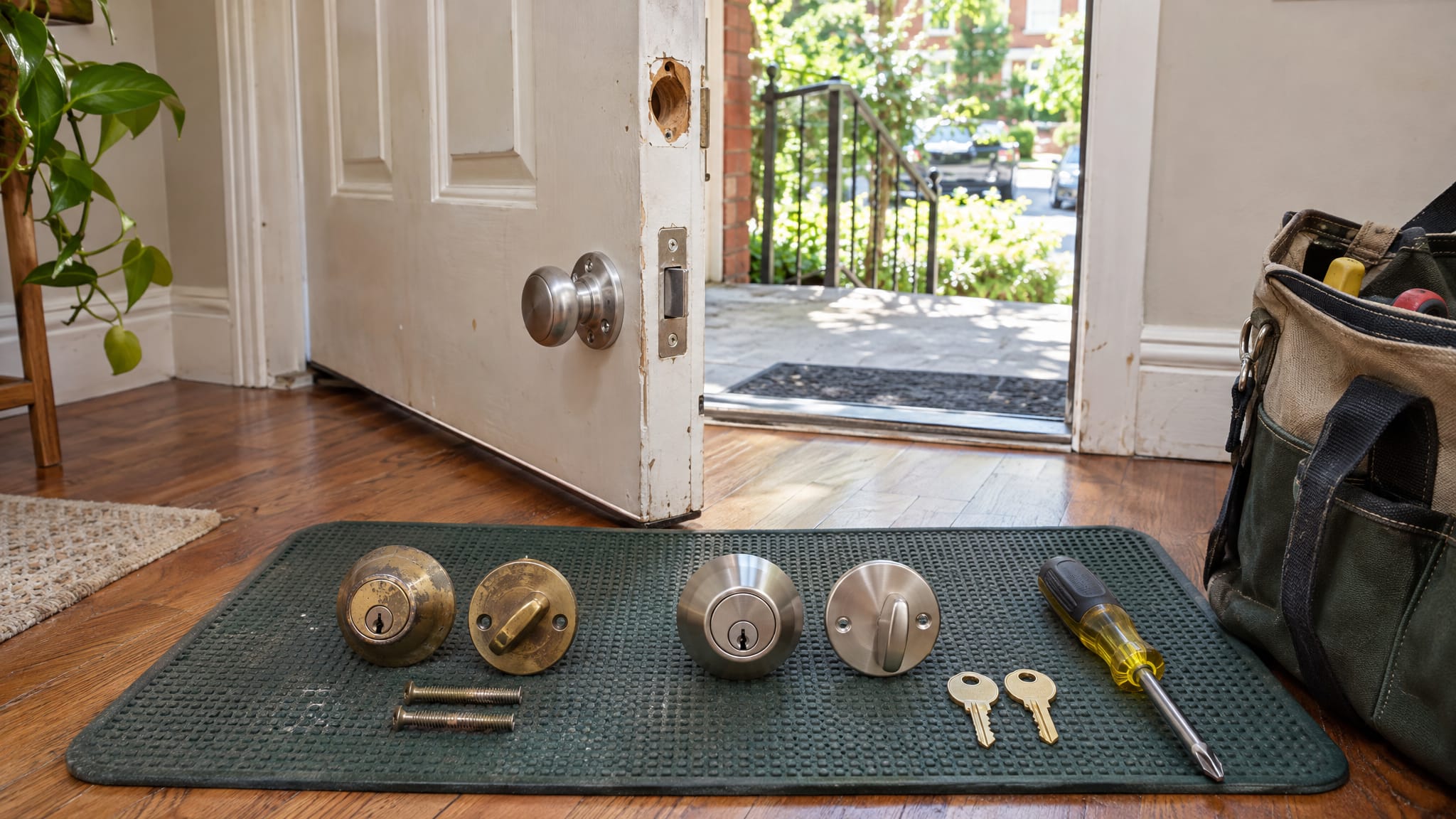
For most landlords, a balanced approach works best. Rekeying is the default for units where the hardware is in good shape and the key register is clean. Replacement is reserved for units where the lock is worn, damaged, or where there is reason to believe that keys are unaccounted for. By keeping a simple log of key issuance and staying in touch with a reliable locksmith, a property manager can handle tenant turnover smoothly and keep the building secure.
If you manage rental properties in the North York area and need help with tenant lock rekeying or lock replacement, a local locksmith can provide the right service for your situation. Whether it is a single unit or an entire building, having a professional handle the work ensures that the job is done correctly and that your tenants feel safe in their new home.